ORIGINAL READING / Purposeful resources
CBPE / THE PATISSERIE STUDY EDITIONRead a photograph for what it can show
An image can support observation while leaving the method, authorship and outcome to be explained.
IN THIS READING
01Start inside the frame02Ask about the account behind it03Separate appearance from specification04Keep the surrounding information05Choose an observation question06Give the next source a jobStart inside the frame
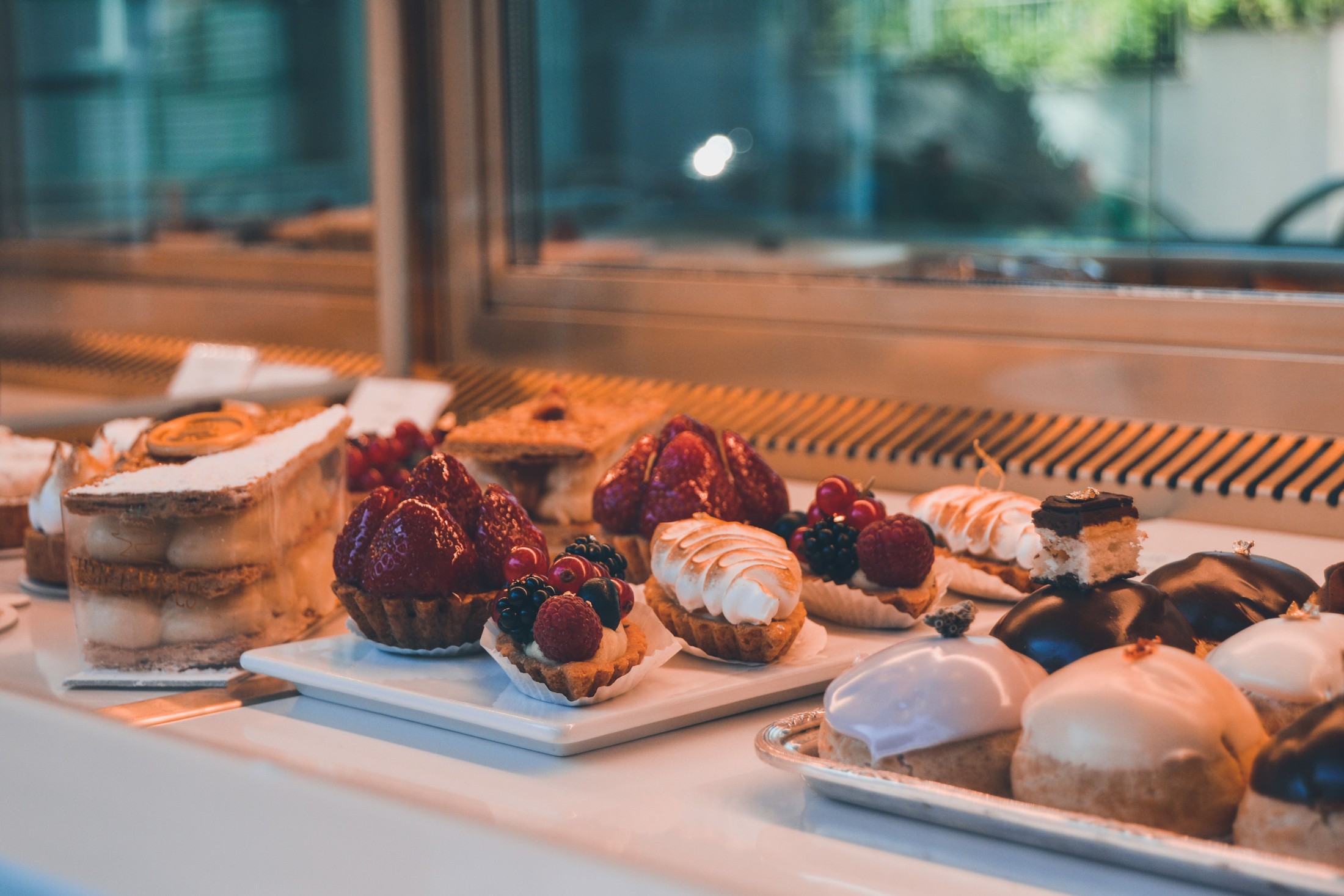
Describe the visible form, arrangement or finish before deciding what the photograph proves. An image can invite careful observation, but it does not reveal every stage of the work. Keeping the description literal makes room for a learning question that can be discussed without inventing a method or an explanation of the result.
Ask about the account behind it
Find out who made the work, who made the photograph and what the image was intended to communicate. Those can be different contributions. A sourced inspiration image is not evidence of a learner’s performance or an institution’s premises. Keep the relationship between the photograph and your own account explicit when selecting material for a record.
Separate appearance from specification
A finish or ingredient visible in a photograph does not establish a complete recipe, ingredient statement or dietary suitability. A visual reference has a different purpose from confirmed product information. If your learning question concerns a practical method, return to the complete appropriate source and the guidance required for that activity.
Keep the surrounding information
A caption, source page or accompanying account may explain the context of an image. Record those details with the reference rather than circulating the photograph alone. If the image has been cropped for a layout, consider what the crop leaves out. The record should help another reader understand the material you actually examined.
Choose an observation question
Ask something the image can support: what relationships can be seen, which part draws attention or what remains unclear from this view? Avoid asking a single image to determine competence or establish an entire working process. A clear observation question can open a discussion without confusing a visual study with a formal assessment.
Give the next source a job
Close by naming the information you still need and the kind of source that might provide it. A method, diagram, authorised account or provider clarification may each answer a different question. This turns the image into one purposeful reference within a learning discussion, rather than an isolated object asked to carry more authority than it has.
TAKE ONE QUESTION WITH YOU
The next step can be
a better question.
Keep the source and your own interpretation distinct. A private writing tool can help you prepare the next discussion.
Open a private observation record